
Know Your Farmer, Know Your Food: Why the Source Matters
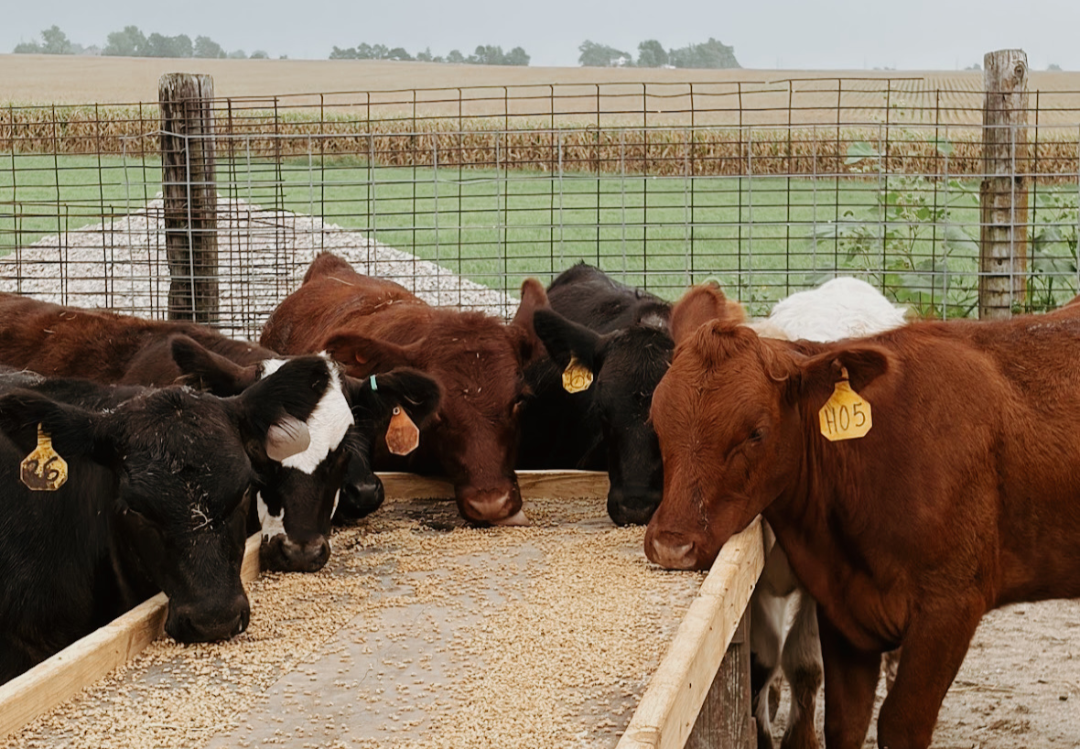
When you know where your food comes from, you're getting more than a product. You're building a connection to the people, practices and communities behind it.
For generations, agriculture has been the backbone of Iowa communities. From early mornings in the fields to long days caring for livestock, local farmers dedicate their lives to producing the food that families rely on every day. Yet, as food production and distribution have evolved, the connection between consumers and the people who grow and raise their food has become less personal.
Today, more families are asking an important question: Where does our food actually come from?
Choosing to support local farms is one way to find that answer while investing in the people and communities that make agriculture possible.
Knowing Where Your Food Comes From
It's easy to walk into a grocery store, pick up a product and never think twice about how it got there or where it came from. Buying directly from local farmers gives consumers an opportunity to learn more about how their food is grown, raised and produced. Whether it's asking about livestock care, feeding practices or how products are handled, these conversations create a level of transparency that isn't always available through traditional shopping experiences.
When consumers understand the journey from farm to table, they can make more informed decisions about the products they bring home.
Building Trust Through Transparency
Trust is an important part of any relationship, including the one between farmers and consumers.
One of the greatest benefits of supporting local agriculture is the opportunity to build relationships with the people responsible for producing your food. Rather than relying solely on packaging and labels, consumers can ask questions, learn about farming practices and better understand the care that goes into each product.
For farmers, this connection creates an opportunity to share their knowledge, explain their processes, and demonstrate the dedication behind their work. Transparency doesn't mean every farm operates the same way. Different farms use different methods based on their livestock, land, resources and agricultural goals. What matters is creating an open conversation that allows consumers to understand those choices.
The more we understand about where our food comes from, the more meaningful our purchasing decisions become.
Understanding the Work Behind Agriculture
Farming is more than an occupation. It's a commitment that requires patience, responsibility and a willingness to work through challenges that are often beyond anyone's control. Weather conditions, seasonal changes, rising costs and the daily responsibility of caring for animals all play a role in agricultural production. Behind every farm-raised product are countless hours of planning, preparation, and hard work.
Supporting local producers helps bring greater appreciation to these efforts, and provides an opportunity for younger generations to learn about agriculture and understand the important role farmers play in their everyday lives.
When families connect with local farms, agriculture becomes more than something they see driving down a country road. It becomes part of their community.
Responsible Sourcing Starts With Understanding
As consumers become more interested in how their food is produced, responsible sourcing has become an increasingly important part of the conversation. But responsible sourcing is about understanding the producer behind it, the practices involved and the values that matter to your family.
Buying from local farmers can make it easier to ask questions about animal care, land management, production methods, and product handling. It also gives consumers the opportunity to support agricultural businesses whose practices align with their priorities.
Local sourcing doesn't automatically guarantee one particular farming method or standard of quality. Instead, it opens the door to greater understanding, allowing families to make thoughtful choices about the products they purchase.
Supporting Local Farmers Means Supporting Local Communities
The benefits of buying local extend far beyond the farm. When consumers choose to purchase from nearby agricultural producers, they help support businesses that contribute to the local economy. Farms purchase supplies, maintain equipment, work with other businesses and create opportunities throughout their surrounding communities.
In agricultural states like Iowa, these connections are especially meaningful. Every purchase from a local producer represents an opportunity to support the people working to keep agriculture strong for future generations. It's a reminder that shopping local isn't just about what you're buying. It's about who you're supporting.
Rooted in Agriculture. Connected to Our Community.
At GENTRY FARM, we believe there's value in knowing the people behind the products you bring home. Rooted in Madrid, Iowa, our appreciation for agriculture runs deep. We recognize the grit, dedication, and responsibility it takes to raise animals, care for the land and contribute to the communities we call home.
As Gentry Farm continues to grow, we're excited to strengthen the connection between agriculture and the families around us. Because when you know your farmer, you gain a better understanding of your food. And when you support local agriculture, you're helping build a stronger future for the community we share.
Know your farmer. Know your food. Support the roots of your community.
